

 ITALIANO
Actualités
Jellyfish, sea urchins, weever fish : a short practical guide to treating injuries
A swim or a paddle can sometimes take an unpleasant turn. To stop your day at the beach turning into a nightmare, follow Dr Valérie Philippo's advice on how to react quickly. MonacoSanté keeps you informed.
Jellyfish: what to do as soon as you get out of the water
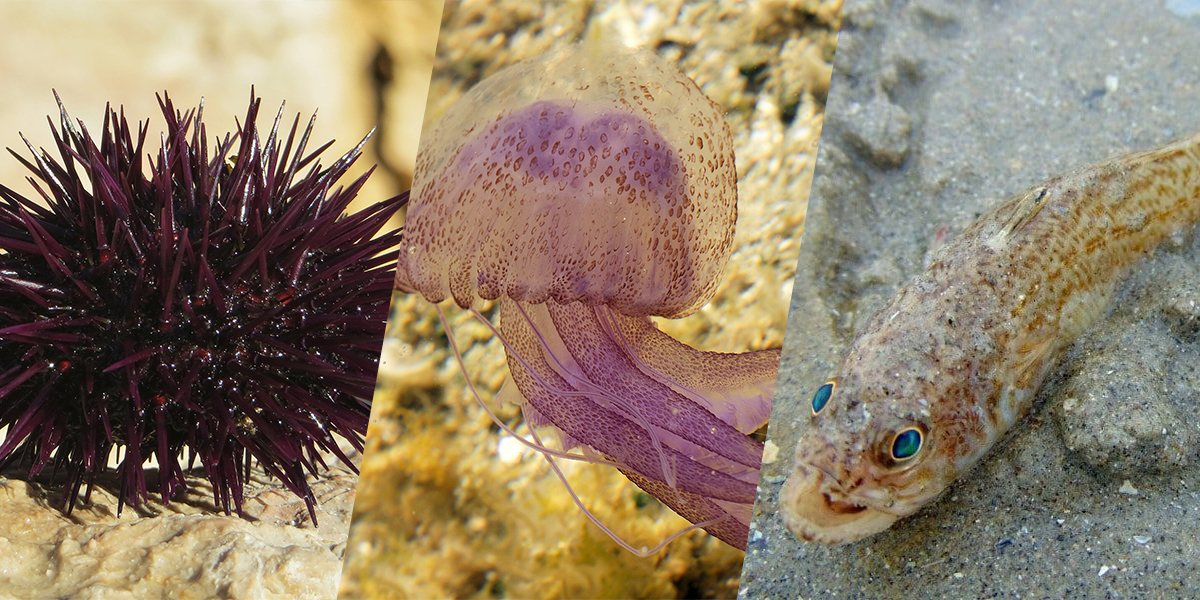
Hot sand, sea and sunshine, an idyllic scene, but the coastline can sometimes have a sting in its tail. While most beach injuries are minor, they still require the right response within the first few minutes to ease the pain and prevent complications. Among them, a jellyfish sting causes sudden, sharp pain, often likened to a burn or an electric shock. The first thing to do is get out of the water immediately, to avoid any risk of panic or feeling faint. "First of all, don't rub the area, just rinse it with seawater, never fresh water, which would burst any stinging cells still on the skin and make the pain worse", warns GP Valérie Philippo . Only then should you remove any visible tentacle fragments with tweezers. In most cases, gently drawing a stiff card, such as a bank card, across the skin is enough to dislodge any remaining stinging cells. "After that, apply something cold, always wrapped in a cloth to avoid an ice burn, then take a painkiller if needed". As for home remedies, the doctor is adamant they should be avoided altogether. "Don't urinate on it, don't apply vinegar, and don't put sand on it. These are all myths, and some can actually make things worse", she stresses.
Sea urchins: removing the spines without rushing
Another common mishap is standing on a sea urchin which causes immediate, intense pain. The problem isn't just the puncture itself, but the tiny spine fragments that can become deeply embedded under the skin. Dr Philippo recommends first removing any visible spines with tweezers, without forcing them. "Because they're very brittle, there's a real risk of breaking them further. You should then soak the area in very hot water, around 45°C, to soften the skin and make them easier to remove". Once the spines are out, the wound must be thoroughly disinfected. It's also essential to check that your tetanus vaccination is up to date. Close monitoring over the following days is absolutely vital: redness, warmth, increasing pain or discharge are all warning signs. "Sea urchins can cause significant bacterial infections under the skin. If the pain persists or a foreign body remains, you should see a doctor. An ultrasound scan or a minor surgical procedure is sometimes needed to remove the remaining fragments".
Weever fish: heat is your best ally
Less well known, but nonetheless one of the most frequent causes of beach accidents, is the weever fish. This fish, which buries itself in shallow sand, has a venomous dorsal spine that is particularly painful. "The pain is sudden and intense, it shoots up the whole leg and can bring on fainting", explains Dr Philippo. The good news is that its venom is heat-sensitive so warmth can ease the pain, though not eliminate it entirely. "You need to immerse the foot or hand in very hot water for 30 to 60 minutes. The heat breaks down the heat-sensitive venom and brings relief, although some discomfort can still last for a few hours". If the spine is visible, it should be carefully removed before thoroughly disinfecting the wound. As with sea urchin injuries, you should then watch for signs of infection or general symptoms, such as dizziness, nausea or a drop in blood pressure, which call for prompt medical attention.
When should you seek urgent medical help?
Most injuries heal without difficulty when properly treated. Some situations, however, call for urgent medical attention, including when the pain remains unbearable despite first aid, when there are multiple stings or stings to the face, or when the person has breathing difficulties, swelling or faints. You should also see a doctor if the wound becomes infected or if a foreign body cannot be removed. "A severe allergic reaction can progress very quickly to anaphylactic shock. As soon as there's swelling around the mouth, breathing difficulties or loss of consciousness, call the emergency services immediately", the doctor reminds us. People with diabetes, weakened immune systems or chronic conditions should also seek medical advice sooner, given their higher risk of complications.
Other common beach injuries
Beyond marine creatures, beaches are also the scene of more everyday injuries: cuts from rocks, shells, broken glass or splinters. In every case, the same principle applies: clean the wound thoroughly, disinfect it, and check that your tetanus vaccination is up to date. Dr Philippo stresses the need to stay alert: "Even a small cut can become infected. If a wound is deep, or becomes red, hot or painful, you should see a doctor". Deep splinters shouldn't be ignored either. If they can't be removed easily, a healthcare professional will be able to extract them safely. A few simple precautions can also help limit the risks. wearing suitable footwear gives effective protection against sea urchins and reduces the risk of weever fish stings. Before swimming, it's also worth checking with lifeguard stations or specialist information sources for any reports of jellyfish. The doctor also recommends packing a small first aid kit containing an antiseptic, a painkiller, an antihistamine for anyone prone to allergies, and a few gauze pads. Finally, if an accident does happen, it's best not to be alone. Lifeguards on the beach are trained in first aid and can quickly point you towards the right medical care if needed.