

 ITALIANO
Actualités
Festive overindulgence? Here are some good eating habits to get the year off to a great star
The festive season can sometimes challenge the body’s ability to eliminate toxins. However, punishing yourself with extreme diets is a pointless exercise: making some targeted changes to what you eat is often enough to kickstart the body’s natural mechanisms. General practitioner Dr Killian shares his take. MonacoSanté keeps you informed.
Why do we feel heavier or more tired after the festive season?
Hearty meals, too much sugar or alcohol... Festive overindulgence can sometimes leave its mark. Rather than embarking on a radical detox, however, a better option is to get smart about supporting your body to more gently regain its sense of balance and vitality. “Festive meals often combine a number of factors that are harmful when we indulge frequently over a short period of time: alcohol, saturated fats, simple sugars, rich and ultra-processed foods”, confirms Dr Thomas Killian, a general practitioner in Monaco.That feeling of heaviness and fatigue that many may feel following these intense periods can be explained by several factors. Physiologically, we might note an overloading of the liver, as well as increased fat storage, repeated insulin spikes and, more generally, an imbalance in the gut microbiome. In light of this, many people push themselves through a punishing detox regime. However, the doctor stresses that this is a mistake we should avoid. “Following these excesses, many people adopt strategies which are too restrictive, engaging in prolonged fasting, eliminating entire food groups, opting for drastic cures.” These approaches run the risk of fatigue, muscle wasting and micronutrient deficiencies. They can also produce a yo-yo effect or lead to eating disorders. “The best strategy is always consistency and moderation over several weeks”, stresses Dr Killian.
Detox: myth or physiological reality?
How quickly can the body expect to regain a sense of balance? “Our liver has a remarkable capacity to regenerate once we stop abusing it. People in good health can expect to see their digestion return to normal within a few days. Metabolic markers improve in two to four weeks,” explains the general practitioner. The start of the year is a time for positive resolutions and some people believe that detoxing the body is an obvious part of that. Is such a thing really possible, though? “Detoxification is not a marketing concept, it is a basic biological process, carried out primarily by the liver, kidneys and intestines. What is a myth, however, is the idea that the body needs to be cleansed, or that our liver is not capable of functioning without assistance,” explains the doctor. This tells us that a fast cure can never undo the effects of prolonged excess. The real challenge, therefore, lies not in detoxifying, but in “reducing the toxic load and supporting the body’s natural capacity to adapt”. The liver — the organ which is key to eliminating toxins — transforms toxic substances such as alcohol, medicines and pollutants into compounds that can be eliminated. The kidneys filter and eliminate this waste via urine, while the intestines help to get rid of waste via faeces. Finally, the gut microbiome plays an active role in neutralising some compounds. “These systems work in synergy and require the right diet, sufficient hydration and regular physical exercise”, emphasises Dr Killian.
What to eat to support your body after the festive season
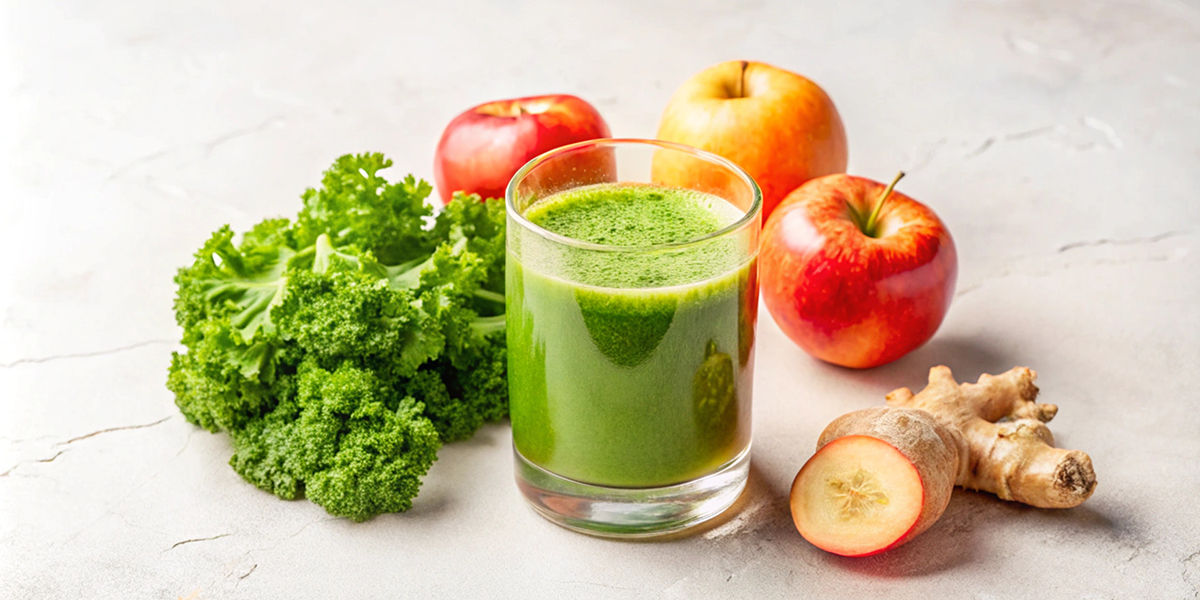
The foods to focus on include: vegetables that are rich in fibre and bitter compounds, such as artichokes, black radish, rocket and chicory; cruciferous vegetables like broccoli, cabbage and cauliflower; fruits that are low in sugar and rich in polyphenols, such as apples, red fruits and kiwi; good fats like olive oil and oily fish, rich in omega-3. On the other side, there are also some foods to avoid for a little while: alcohol — “ideally to be avoided entirely for a few weeks” ; — refined sugar and ultra-processed products; excessive saturated fats; repeated combinations of starchy foods, alcohol and desserts. During these periods, sufficient hydration is vital to the functioning of the kidneys and intestines.” In addition to water, you can also choose herbal teas made from plants that help to support digestion and biliary function. “Juice cleanses, on the other hand, offer little in the way of protein or fibre. They can result in blood sugar spikes and are not a replacement for a balanced diet. They are therefore unnecessary as part of a post-excess recovery strategy”, says the general practitioner.
Plants and micronutrients that support the body
“Some plants and micronutrients can support the physiological pathways of detoxification. without replacing them. They play a vital role as part of a balanced diet, not as a substitute for one”, notes Dr Killian. Which medicinal plants can support our body’s wellbeing? “Artichoke (Cynara scolymus) stimulates bile secretion and improves fat digestion. Black radish (Raphanus sativus niger) supports biliary function. Turmeric (Curcuma longa) has anti-inflammatory and antioxidant properties. Desmodium can be used to support the liver, particularly in the event of drug overload. Finally, milk thistle, which is rich in silymarin, helps to protect liver cells”. An expert in micronutrition, the Monegasque doctor also recommends some key micronutrients: B vitamins, zinc and selenium — “which play a role in antioxidant enzyme systems”, — magnesium for energy metabolism and sulphur amino acids. To conclude: a true return to balance can be achieved not through a rapid detox but rather by making simple, sustainable choices that treat your body with respect.